
Consequence-Based Risk Matrices for IEC 62443-3-2
Andrew Ginter shares a proposed IEC 62443-3-2 Appendix C: consequence-based risk matrices that replace likelihood with credibility for high-impact OT cyber attacks.
Andrew Ginter shares a proposed IEC 62443-3-2 Appendix C: consequence-based risk matrices that replace likelihood with credibility for high-impact OT cyber attacks.
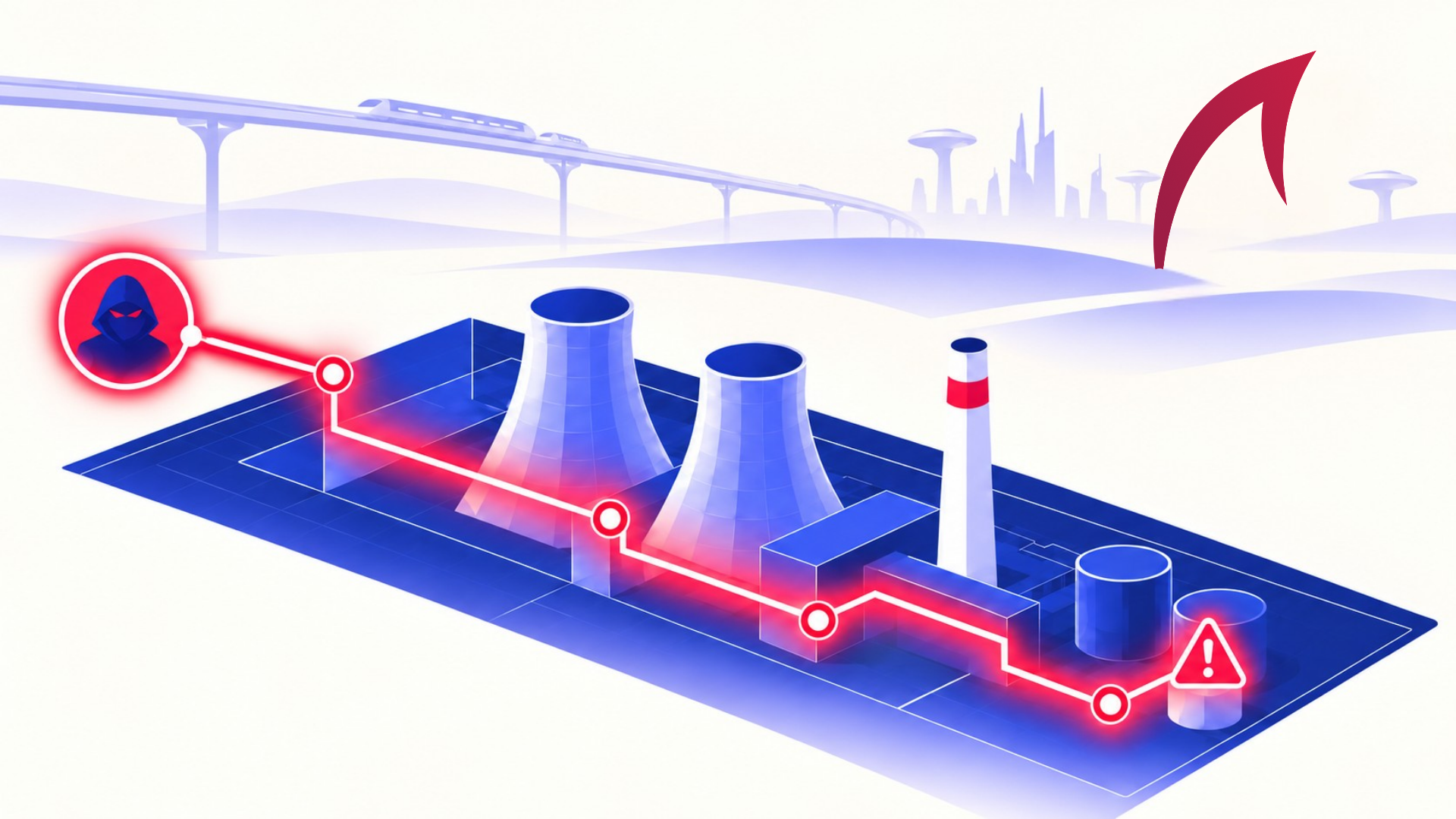
This webinar reviews recent government directives, clears up the controversy, and introduces practical approaches to islanding. We evaluate islanding advice in the context of the emerging era of AI-based zero-day exploits.
The CI-Fortify guidance asks critical infrastructure operators to prepare to isolate vital OT during a cyber emergency. Answer seven questions to get a clear picture of your isolation readiness — and the gaps worth investigating next.

Recommended guidelines on cyber security baseline requirements for Operational Technology (OT) systems were published in June 2026. I reviewed them…

Four governments just advised critical infrastructure operators to prepare to isolate their most important OT systems. Here’s what that means, who should care, and what to do about it.
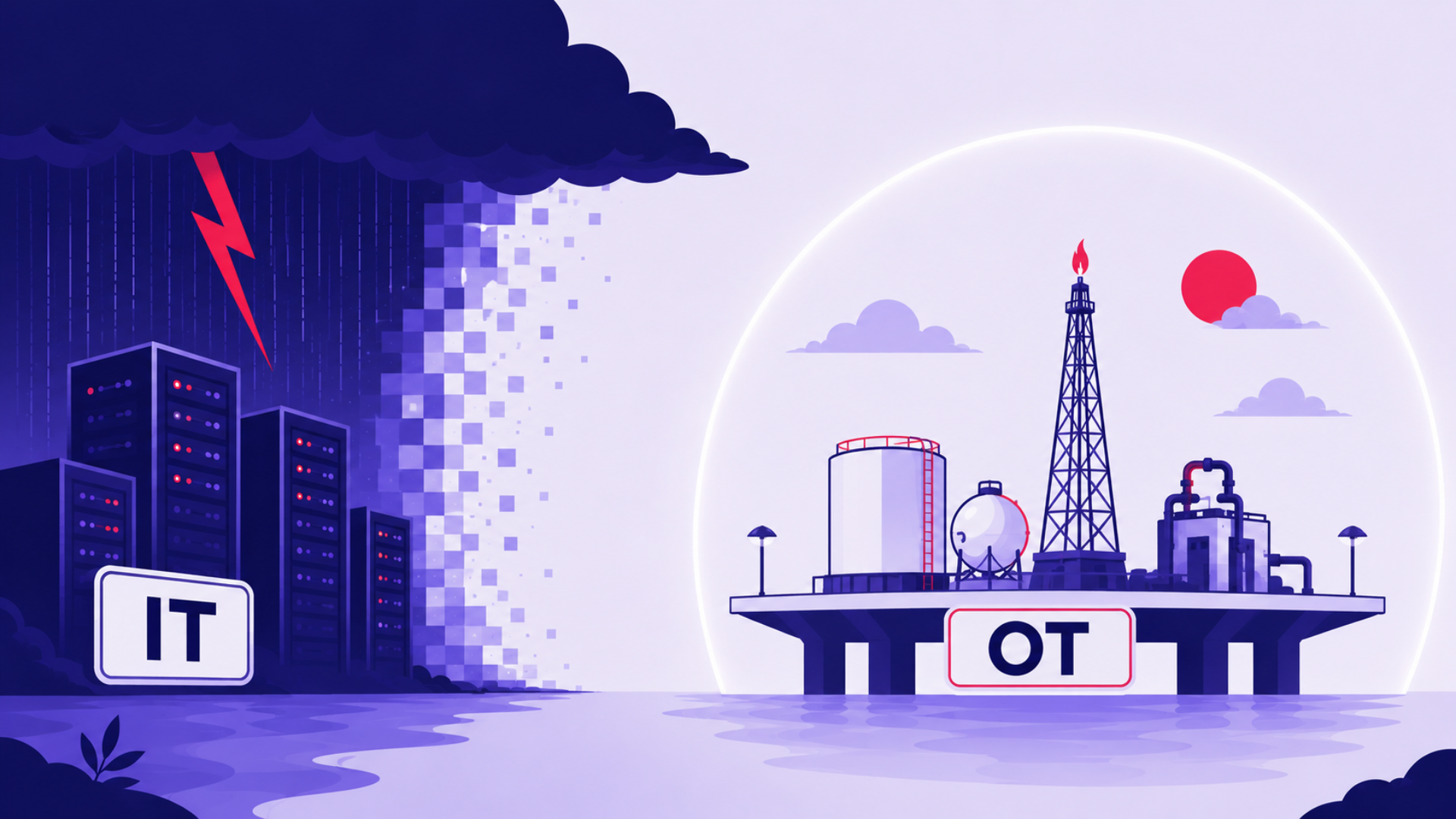
This webinar reviews recent government directives, clears up the controversy, and introduces practical approaches to islanding. We evaluate islanding advice in the context of the emerging era of AI-based zero-day exploits.

OT security is “hard” – engineering change control (ECC) makes patching slow and expensive, many OT devices and systems have no real support for zero trust (ZT)…

In this webinar we connect first principles to modern practice: Biba, SEC-OT, CIE mitigations, UK NCSC connectivity guidance and modern “islanding” requirements all lead to OT designs whose security materially exceeds that of conventional IT networks.

Two decades ago, we founded Waterfall with one purpose: to defeat nation-state attacks impacting OT environments and critical infrastructure.
Anthropic’s Claude Mythos is the latest example of a trend many of us in industrial cybersecurity have been warning about for years.

